CBA urges Senate to slow down on Bill C-12
Immigration lawyers decry the lack of sober second thought and sidestepping components of the democratic process
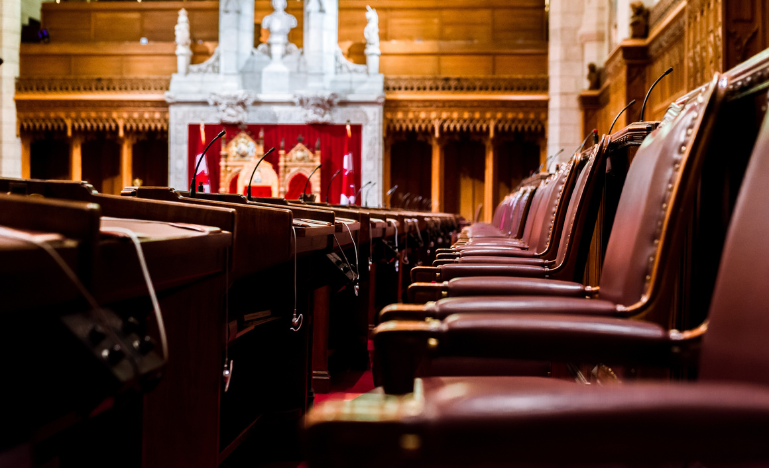
The Canadian Bar Association is urging the Senate to press pause on a bill that could place Canada at odds with its international law obligations and disproportionately affect vulnerable groups.
Bill C-12, the Strengthening Canada's Immigration System and Borders Act, is a sweeping omnibus that includes significant portions on immigration.
In an open letter to senators, the CBA’s Immigration Law Section expressed “urgent concern” that the Senate is being asked to proceed to third reading “without having had the benefit of a full informational foundation necessary to carry out its role as the voice of ‘sober second thought.’"
At issue are sweeping immigration proposals, including overly broad and vaguely defined executive-discretion mechanisms such as mass-cancellation powers. There is also a proposed new ineligibility scheme that the CBA decries as a “structural downgrade,” which experts predict will lead to increased Federal Court litigation and heighten removal risk.
Also of concern is the process the bill underwent to get to the Senate.
“Before it was studied in a parliamentary committee, there was a very limited opportunity for stakeholders to present briefs,” Deanna Okun-Nachoff, managing lawyer at Evolution Immigration Law Group, told the House of Commons Standing Committee for Citizenship and Immigration in November.
The bill passed third reading in the House and was sent to the Senate without any reports provided that would aid the decision-making process, she explained, meaning the Senate conducted its own studies.
The lead on the bill was the Standing Senate Committee on National Security, Defence and Veterans Affairs (SECD). It studied the border security sections of the proposed legislation, but delegated the immigration portion to the Senate Standing Committee on Social Affairs, Science and Technology (SOCI). The latter heard from the CBA, United Nations High Commissioner for Refugees, and Amnesty International, among others, and all were united in stating concerns with the bill.
The SOCI committee issued a report recommending that at clause by clause, all immigration components of this bill be amended out, says Okun-Nachoff, past chair of the Immigration Law Section. Despite that recommendation, the SECD committee went through clause by clause without recommending any of SOCI’s amendments as the bill moved on to third reading in the Senate.
“That's what is going to third reading - an unamended version of this bill, despite the recommendations made by their own subject matter [experts] and standing committee, who studied the immigration component,” she told National in an interview.
“We are fundamentally opposed to the idea of sidestepping key components of the democratic process.”
The bill proposes granting the immigration minister the power to cancel any category of immigration applications or visas, including those issued to people who have already been granted permanent resident cards, she says.
“There's this misunderstanding that people who are coming to Canada and seeking Canada's protection are doing so fraudulently, which is in no way a reflection of what I'm seeing,” Okun-Nachoff says.
“My fear is that they could cancel some applications held by some of the most vulnerable.”
In its letter, the CBA warns that the proposed ineligibility scheme could lead to Canada violating its international law obligations.
Okun-Nachoff says the bill is moving too quickly toward becoming law.
“What needs to happen at this point is that there needs to be time for more discussion to happen and for the Senate to really listen to what all of those experts across all sectors are saying about the dangers presented by this bill. Not just instantly go and make it law,” she says.
If it passes third reading, it could face constitutional and international law challenges before the United Nations.
The CBA is urging the Senate not to proceed to third reading until the government has considered the amendments and provided a substantive, on-the-record response to the specific rule-of-law concerns identified in the SOCI’s report.
Okun-Nachoff says in recent years, south of the border and in other jurisdictions around the world, the rule of law has taken a big hit.
“Transparency, governance and loss of democratic participation in lawmaking is something that we have all observed,” she says.
“In making this open letter to senators, we really want to send the message loud and clear that the Canadian Bar Association has concerns about the same attrition that is occurring in the Canadian legal system. We would like not just the Senate, but the entire legal community to sit up and take notice of that.”