Supreme Court to hear appeal on UNDRIP’s reach in domestic law
Gitxaala and Ehatttesaht nations’ challenge of the Mineral Tenure Act has seen BC push back on the implementation of DRIPA
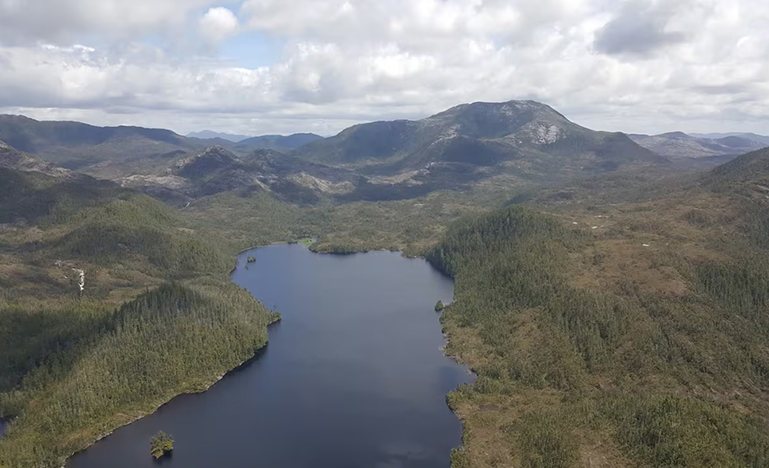
The Supreme Court of Canada will hear British Columbia’s appeal of a court decision that has fuelled drama in the province over the implementation of its Declaration on the Rights of Indigenous Peoples Act (DRIPA).
In December, the B.C. Court of Appeal ruled 2-1 that the province’s Mineral Tenure Act, which allowed registration of mineral rights without consulting the Gitxaała and Ehattesaht nations, was inconsistent with the law implementing the UN Declaration on the Rights of Indigenous Peoples (UNDRIP) in the province.
Within hours, Premier David Eby said the provincial government would amend DRIPA. The province also filed an appeal to the country’s top court, which has now agreed to hear it.
In a statement, the Gitxaała elected and hereditary leadership said they welcome the opportunity to make their case before the Supreme Court.
“While we would have preferred that BC respect the BC Court of Appeal decision, we agree that the case raises ‘novel issues of national importance’ and are unsurprised that the Supreme Court of Canada agreed to hear the case,” they said, noting the Court will determine whether the commitments the province made in DRIPA are legally enforceable or “merely political promises.”
“From the get-go, BC has attempted to deny accountability for its promises to align laws with Indigenous human rights standards, even going as far as to threaten amendments to DRIPA to deny Nations access to the courts.”
Legal observers have raised concerns about the premier’s apparent direction to the attorney general to “scale back” the courts’ role in Indigenous rights, amid concerns it puts too much power in judges’ hands.
"Reconciliation is the business of government-to-government relationships between the provincial government, the federal government and First Nations governments. It is not for the courts to take over,” Eby, a lawyer, told Natural Resources Forum in January.
DRIPA was passed in 2019, making British Columbia the first jurisdiction in Canada to pass legislation to bring the UN declaration into law. It had the full support of the provincial legislature and endorsements from the Mining Association of British Columbia and the British Columbia Chamber of Commerce.
Two years later, federal legislation that closely resembled B.C.’s law was passed. This was seen as a significant step for reconciliation, but advocates say recent moves undermine that progress.
No date has been set for the Supreme Court hearing, but the Gitxaała leadership said they expect “justice will prevail.”
“Despite recent fear-based commentary about legal risk, guidance from the courts has been instrumental over the years in establishing the foundations of Crown-Indigenous relations and setting the stage for meaningful negotiated outcomes.”