

Debiasing the law
How understanding cognitive biases leads to a more just legal system
Lawyers strive for fairness and justice in every case they handle.
However, the behavioural science research shows that human reasoning in legal contexts is inherently flawed and vulnerable to both explicit and implicit biases. Known as cognitive biases, these can significantly impact legal matters, including employment law, jury selection, public procurement, criminal defence, business decision-making, bankruptcy, and police misconduct.
It is therefore crucial for legal professionals to understand and address these biases to ensure the integrity of the legal process.
One of the most well-known examples of cognitive bias in legal cases is the famous defence from the O.J. Simpson trial: "If it doesn't fit, you must acquit." This statement relies on the rhyme-as-reason effect, where phrases that have cognitive fluency—meaning they are easier to process—sound more believable.
In this particular case, the defence team used this cognitive bias to their advantage, which ultimately contributed to Simpson's acquittal. Legal professionals have a responsibility to be aware of such biases and take steps to mitigate their influence on the decision-making process.
Anchoring is another pervasive cognitive bias in legal settings. This occurs when the initial piece of evidence someone learns about a topic is much more impactful than subsequent evidence. This is because all subsequent evidence is assessed through the lens of the first thing someone learns.
For example, if a juror hears about a defendant's prior criminal record before hearing about the specific details of the current case, they may be more inclined to view the defendant as guilty. Recognizing the anchoring effect is crucial in presenting evidence and arguments in a way that minimizes its impact on the case's outcome.
Tools for a fairer legal system
Fortunately, the behavioural science field of debiasing has provided critically important, peer-reviewed tools for addressing biases in legal cases. These include:
Blind Procedures
Blind procedures, such as double-blind lineups or anonymized document reviews, can help reduce the influence of cognitive biases. By removing identifying information or limiting the ability to draw comparisons, lawyers can minimize the impact of biases on decision-making processes.
Expert testimony
Incorporating expert testimony on cognitive biases can help educate jurors and judges on the potential pitfalls of human reasoning. By making them aware of these biases, they are more likely to scrutinize their own thought processes and make more impartial judgments.
Deliberative decision-making processes
Encouraging deliberative decision-making processes, such as slow and careful consideration of evidence, can help counteract the influence of cognitive biases. This may involve guiding jurors through a structured deliberation process or providing judges with checklists to ensure a thorough examination of the case.
Addressing bias in various legal contexts
Understanding and addressing cognitive biases are important across a wide range of legal matters. In employment law, it’s critical to ensure fair hiring practices and prevent discrimination. For example, anonymizing resumes during the recruitment process can help employers focus on candidates' skills and experience, rather than being influenced by factors such as gender, race, or age.
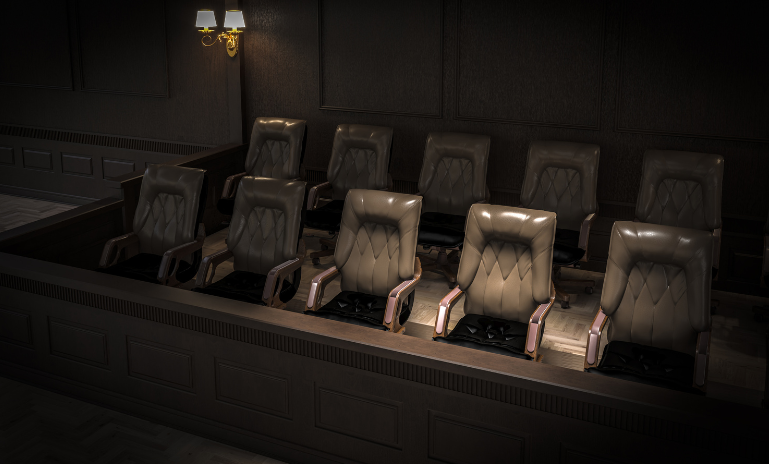
During jury selection, particularly in the United States, where intense questioning of prospective jurors is more common, questions can be used to identify potential jurors with strong cognitive biases that may influence their decision-making. This allows for the selection of a more impartial jury, ultimately contributing to a fairer trial.
In public procurement, addressing biases helps ensure fair competition and transparent decision-making. By implementing blind evaluation processes, public officials can objectively assess bids without being influenced by factors such as the bidder's reputation or the anchoring effect.
Criminal defence attorneys must be aware of cognitive biases to effectively represent their clients. For instance, they can challenge the admissibility of prejudicial evidence that may trigger anchoring or other biases. Additionally, they can educate jurors about cognitive biases through expert testimony, helping to create a more level playing field.
Cognitive biases can also influence business decisions, including mergers, acquisitions, and contract negotiations. By applying debiasing techniques, lawyers can help clients make more informed decisions that are less influenced by cognitive biases, ultimately leading to better outcomes.
In bankruptcy cases, addressing cognitive biases is essential for fair asset distribution and accurate evaluation of debtor claims. By implementing blind procedures and promoting deliberative decision-making, lawyers can help ensure that the bankruptcy process remains impartial and equitable.
In cases of police misconduct, understanding and addressing cognitive biases is vital for evaluating the actions of law enforcement officers and holding them accountable. Lawyers can scrutinize the reliability of eyewitness testimony, which is often influenced by cognitive biases, to ensure that justice is served.
The path to a fairer legal system
Addressing cognitive biases in legal cases is an essential step toward a fairer and more just legal system. By understanding them and implementing debiasing techniques, lawyers can effectively navigate the complex landscape of human reasoning and ensure that justice is served. In doing so, they not only uphold the integrity of the legal profession but also contribute to a society where fairness and justice prevail.


